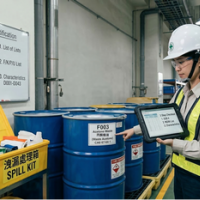
ESG Plant Audit Guide: 3 Steps to Identify Hazardous Waste under RCRA, CERCLA & EPCRA
| Guidance Parameter | Regulatory Criteria & Engineering Solution | Compliance Standard |
|---|---|---|
| Statutory Scope | RCRA (40 CFR 261), CERCLA (40 CFR 302), EPCRA (40 CFR 355) | SOBLAR ESG Environmental Series #134 |
| Hazard Characteristics | D001 (Ignitable), D002 (Corrosive), D003 (Reactive), D004-D043 (Toxicity) | Determines permissible on-site storage duration and pallet materials |
| ESG Audit Impact | Environmental Pillar (E) Score in DJSI, CDP, and EcoVadis evaluations | Eliminates illegal chemical discharge and groundwater liability |
| Operational Tools | Dedicated labeled waste stations, drum funnels with latching lids | Chemical-specific containment pallets and overpack salvage drums |
【Product Overview & Engineering Highlights】
ESG Plant Audit Guide: 3 Steps to Identify Hazardous Waste under RCRA, CERCLA & EPCRA - SOBLAR
Practical ESG audit handbook for plant managers: 3-step rapid identification of industrial hazardous waste under US environmental statutes: Resource Conservation and Recovery Act (RCRA), Superfund (CERCLA), and Community Right-to-Know (EPCRA).
【Key Technical Specifications & Compliance Advantages】
- Statutory Scope: RCRA (40 CFR 261), CERCLA (40 CFR 302), EPCRA (40 CFR 355) (SOBLAR ESG Environmental Series #134)
- Hazard Characteristics: D001 (Ignitable), D002 (Corrosive), D003 (Reactive), D004-D043 (Toxicity) (Determines permissible on-site storage duration and pallet materials)
- ESG Audit Impact: Environmental Pillar (E) Score in DJSI, CDP, and EcoVadis evaluations (Eliminates illegal chemical discharge and groundwater liability)
- Operational Tools: Dedicated labeled waste stations, drum funnels with latching lids (Chemical-specific containment pallets and overpack salvage drums)
Engineered for demanding industrial facilities, semiconductor plants, chemical processing zones, and automated manufacturing lines, this solution helps EHS managers maintain strict regulatory compliance, prevent workplace incidents, and streamline routine safety audits.
Need Professional Plant EHS Audit or Technical Consultation?
SOBLAR's senior industrial safety engineers provide on-site plant risk assessments, chemical containment planning, and custom HAZWOPER training across Taiwan. Please contact our advisory team via our Inquiry Board or directly:
Tel: +886-4-2281-6078 | Email: service@soblar.com