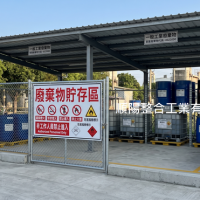
ISO 14001 vs. Waste Storage Standards: Legal Baseline vs. Environmental Management - SOBLAR
| Guidance Parameter | Regulatory Criteria & Engineering Solution | Compliance Standard |
|---|---|---|
| Framework Comparison | Statutory Waste Storage Rules (Legal Minimum) vs. ISO 14001 (Management System) | SOBLAR EMS Advisory #137 |
| Common Plant Pitfall | Believing an ISO 14001 certificate prevents regulatory EPA violation fines | Auditors inspect physical labeling, ground sealing, and containment dikes |
| Engineering Baseline | Impermeable concrete flooring, 110% secondary volume, chemical segregation | Groundwater monitoring and recorded weekly inspection logs |
| Integrated Solution | Standardized spill containment infrastructure fulfilling both criteria | Turns passive audit defense into active operational excellence |
## 管理者觀點:法規是底線,ISO 是持續改善的引擎
針對環境管理,許多企業常疑惑:「我已經通過了 ISO 14001,為什麼還會因為廢棄物標示不清被罰?」 或是 「既然法規已經規定了,為什麼還要另外做 ISO 流程?」
事實上,環境部《事業廢棄物貯存清除處理方法及設施標準》(以下簡稱設施標準)與 ISO 14001 在「防止污染」的目標上殊途同歸,但在執行層面上,兩者扮演著完全不同的角色。
### 1. 本質與強制性的差異
- 設施標準(法規):
屬於 「法律義務」。這是由環境部發布的強行法,工廠若不遵守,會直接面臨罰鍰、停工甚至撤照的行政處分。它規定的是「地板一定要長怎樣」、「標示一定要寫什麼」的 最低硬體門檻。
- ISO 14001(標準):
屬於 「自願性管理體系」。它是國際通用的商業語言,重點在於 「持續改善」。即便法規沒規定的污染預防手段,只要企業認為有風險,就要納入管理流程。
### 2. 核心差異對照表
|
比較項目 |
廢棄物貯存設施標準 (第8-10條) |
ISO 14001:2015 環境管理系統 |
|
管理範疇 |
特定對象:僅針對廢棄物貯存區、容器與標示。 |
全面覆蓋:包含能耗、噪音、生命週期與供應商。 |
|
硬體要求 |
具體規格:明確要求防止地表水流入、防溢堤、中文標示。 |
風險導向:要求「風險辨識」,依風險程度自訂預防計畫。 |
|
執行機制 |
符合性檢查:稽查硬體是否到位、申報是否屬實。 |
PDCA 循環:規劃、執行、查核、行動,強調目標達成率。 |
|
應變要求 |
設施完整:強調要有防止溢漏的實體設施。 |
應變能力:強調人員的應變程序與事後檢討。 |
### 3. 深度解析:為什麼「目標一致」但「內容不同」?
法規(第 8-10 條)是「結果導向」的物理防線
法規條文極其具體,例如第 10 條針對「有害事業廢棄物」要求應有「防止溢漏、滲透及收集廢液之設施」。這是為了確保萬一洩漏發生時,污染會被控制在最小範圍內,守住環境的底線。
ISO 14001 是「源頭管理」的系統思維
ISO 不會只要求你蓋防溢堤,它會更進一步追問:
- 廢棄物減量: 為什麼會產生這麼多廢液?
- 教育訓練: 員工知道正確的傾倒作業流程嗎?
- 維護計畫: 如何確保防溢堤沒有裂縫?如果裂開了,誰負責回報與修理?
### 總結:硬體為本,軟體領航
在實務運作上,設施標準第 8-10 條是您的硬體基準(底線),而 ISO 14001 是將這些硬體納入日常管理的軟體系統。
小撇步:
- 如果您是為了 因應稽查,請優先核對設施標準的硬體規範(如標示、防溢堤高度)。
- 如果您是為了 公司治理或國際客戶,則需透過 ISO 14001 證明您有一套「活的」流程在監控設施的有效性。
事業廢棄物貯存清除處理方法及設施標準 - 環境部主管法規查詢系統 (重點參考:第 8、9、10 條關於一般及有害事業廢棄物之貯存設施規範)
「本文內容僅供教學與實務參考,若對於條文解釋或執行細節有不同見解或錯誤之處,懇請不吝指正,讓我們共同推動更安全的工業環境。」
Need Professional Plant EHS Audit or Technical Consultation?
SOBLAR's senior industrial safety engineers provide on-site plant risk assessments, chemical containment planning, and custom HAZWOPER training across Taiwan. Please contact our advisory team via our Inquiry Board or directly:
📞 Tel: +886-4-2281-6078 | ✉️ Email: service@soblar.com