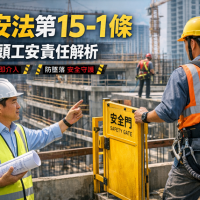
Taiwan Occupational Safety Law Reform: Article 15-1 Upstream Responsibility & Fall Prevention
| Guidance Parameter | Regulatory Criteria & Engineering Solution | Compliance Standard |
|---|---|---|
| Legislation Target | Taiwan Occupational Safety and Health Act Reform (Article 15-1) | SOBLAR Legal & Engineering Advisory #132 |
| Core Legal Shift | From punishing lower subcontractors to holding original plant owners liable | Establishes institutional accountability across executive suites |
| Fall Defense Mandate | Mandatory physical fall gates at ladderways and platform edges | Replace single chains and loose bars with certified self-closing gates |
| Risk Mitigation | Install PIG® Gate self-closing fall barriers and compliant railings | Eliminates legal negligence claims following unexpected workplace falls |
【Product Overview & Engineering Highlights】
Taiwan Occupational Safety Law Reform: Article 15-1 Upstream Responsibility & Fall Prevention - SOBLAR
In-depth legal analysis of Taiwan's landmark Occupational Safety and Health Act amendment. Detailed breakdown of Article 15-1 'Upstream Source Accountability', corporate executive criminal liability, and mandatory physical fall-prevention engineering standards.
【Key Technical Specifications & Compliance Advantages】
- Legislation Target: Taiwan Occupational Safety and Health Act Reform (Article 15-1) (SOBLAR Legal & Engineering Advisory #132)
- Core Legal Shift: From punishing lower subcontractors to holding original plant owners liable (Establishes institutional accountability across executive suites)
- Fall Defense Mandate: Mandatory physical fall gates at ladderways and platform edges (Replace single chains and loose bars with certified self-closing gates)
- Risk Mitigation: Install PIG® Gate self-closing fall barriers and compliant railings (Eliminates legal negligence claims following unexpected workplace falls)
Engineered for demanding industrial facilities, semiconductor plants, chemical processing zones, and automated manufacturing lines, this solution helps EHS managers maintain strict regulatory compliance, prevent workplace incidents, and streamline routine safety audits.
Need Professional Plant EHS Audit or Technical Consultation?
SOBLAR's senior industrial safety engineers provide on-site plant risk assessments, chemical containment planning, and custom HAZWOPER training across Taiwan. Please contact our advisory team via our Inquiry Board or directly:
Tel: +886-4-2281-6078 | Email: service@soblar.com