When to Deploy a Mobile Spill Caddy: 5-Step Plant Assessment & SOP
| Guidance Parameter | Regulatory Criteria & Engineering Solution | Compliance Standard |
|---|---|---|
| Decision Framework | 5-Step Facility Spatial & Hazard Readiness Evaluation | SOBLAR Emergency Operations #122 |
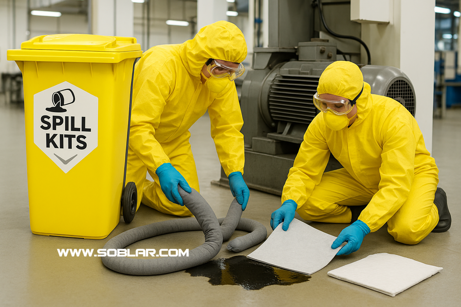
| Transit Efficiency | Solid rubber wheels traverse gravel, expansion joints, and grated floors | Deployed in under 90 seconds anywhere within a 100m radius |
| Capacity Rating | 60 to 100 Liters universal/chemical absorbency per mobile unit | Self-contained with PPE, disposal bags, and instruction guides |
| Standards & Audits | Meets OSHA 1910.120 HAZWOPER & ISO 14001 emergency preparedness | Eliminates delays associated with hunting for loose spill pads |
【Product Overview & Engineering Highlights】
When to Deploy a Mobile Spill Caddy: 5-Step Plant Assessment & SOP - SOBLAR
Decision matrix and operational SOP for industrial mobile spill response caddies. Learn how to evaluate facility transit distances, narrow aisle clearances, chemical hazard classes, and containment capacities to optimize ERT response time.
【Key Technical Specifications & Compliance Advantages】
- Decision Framework: 5-Step Facility Spatial & Hazard Readiness Evaluation (SOBLAR Emergency Operations #122)
- Transit Efficiency: Solid rubber wheels traverse gravel, expansion joints, and grated floors (Deployed in under 90 seconds anywhere within a 100m radius)
- Capacity Rating: 60 to 100 Liters universal/chemical absorbency per mobile unit (Self-contained with PPE, disposal bags, and instruction guides)
- Standards & Audits: Meets OSHA 1910.120 HAZWOPER & ISO 14001 emergency preparedness (Eliminates delays associated with hunting for loose spill pads)
Engineered for demanding industrial facilities, semiconductor plants, chemical processing zones, and automated manufacturing lines, this solution helps EHS managers maintain strict regulatory compliance, prevent workplace incidents, and streamline routine safety audits.
Need Professional Plant EHS Audit or Technical Consultation?
SOBLAR's senior industrial safety engineers provide on-site plant risk assessments, chemical containment planning, and custom HAZWOPER training across Taiwan. Please contact our advisory team via our Inquiry Board or directly:
Tel: +886-4-2281-6078 | Email: service@soblar.com